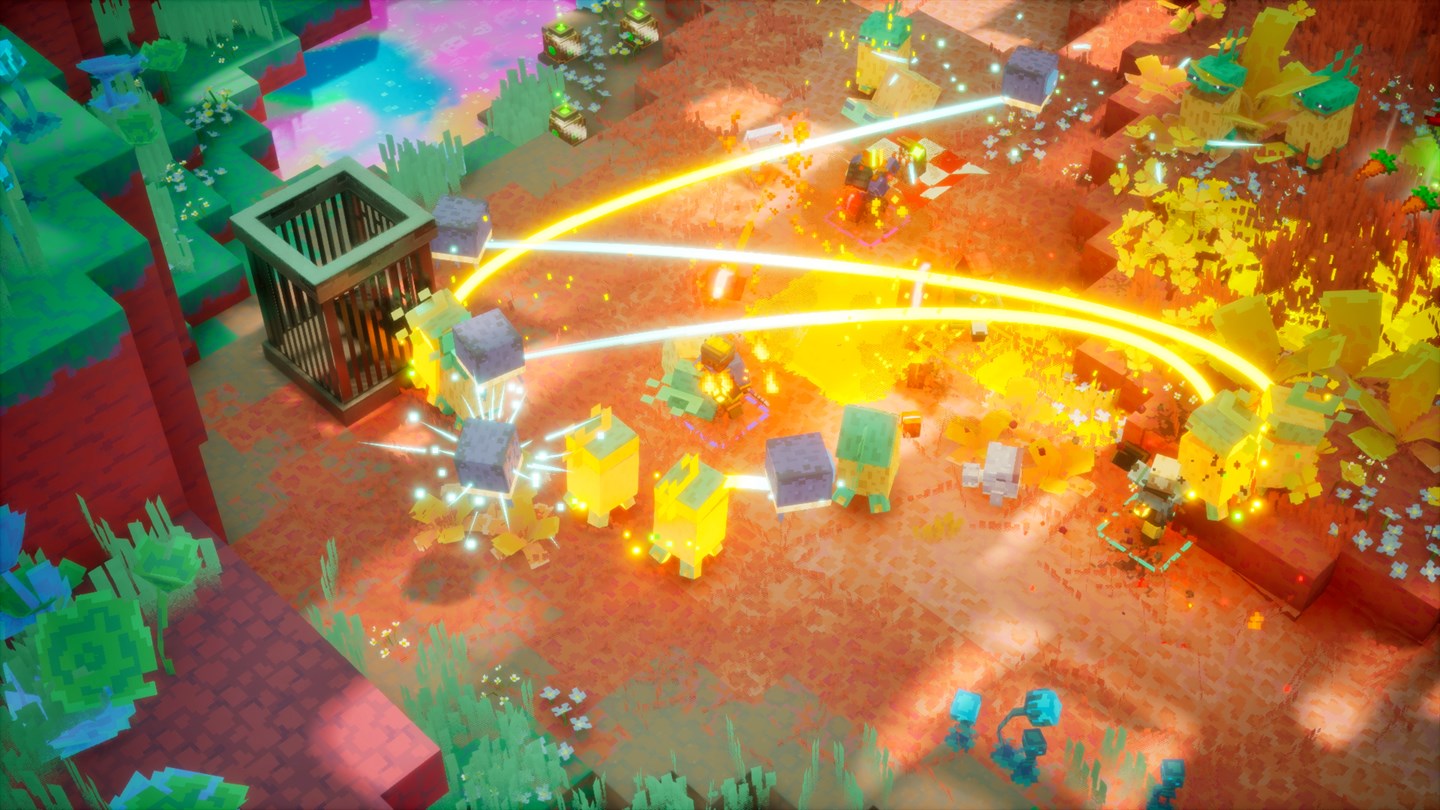
Explore beyond the objective
The Sift, secret talismans, and Minecraft Dungeons II endgame
Treat The Sift as a navigation and resource problem: reveal the arena, protect an exit, spend souls deliberately, and repeat only the activities that improve a real weak slot.
- The Sift
- Secret routes
- Soul Storms
- Optional dungeons
Fact-checked
Expedition facts
- What is The Sift?
- A new soul-powered dimension introduced in Minecraft Dungeons II
- Launch endgame activity
- Soul Storms with stronger enemies and improved loot opportunities
- Other repeatable goals
- Optional dungeons, side quests, boss replays, and enchantment unlocks
- Best exploration rule
- Reveal first, commit second
- Best farming rule
- Target a specific weak slot or enchantment instead of repeating everything
- Update risk
- Secret locations and loot balance can change; verify against the current build
Checkpoint 1
How to explore The Sift without losing the run
- Stop at the arena edge
Let ranged enemies, hazards, and soul links become visible before the melee player crosses the trigger line.
- Choose a retreat lane
Keep one route clear of poison, cliffs, and unopened enemy groups.
- Break the encounter into priorities
Remove enemies that empower, control, or continuously pressure the party before chasing the nearest weak mob.
- Search after the room is stable
Inspect elevation changes, dead ends, unusual walls, waterfalls, and paths that do not point directly toward the objective.
- Leave with the upgrade
Once the mission produces the item or unlock you needed, do not turn the final stretch into an unnecessary wipe.
Optional routes and dangerous side spaces are worth checking when your party has the resources to recover. Checkpoint 2
A repeatable secret-area search pattern
Check these signs in order
- A path or ledge visible on the map that has no obvious ground-level entrance.
- Waterfalls, vegetation, cracked surfaces, or rubble that interrupt an otherwise deliberate wall pattern.
- A sound, light, enemy group, or chest marker that exists on the other side of apparent terrain.
- A jump sequence whose first landing has safe return access; avoid committing to blind moving platforms with no recovery plan.
- A route that appears only in some generated layouts. If the landmark is absent, finish the mission rather than searching an impossible seed forever.
Checkpoint 3
Soul Storms: when the harder activity is worth it
Soul Storms are the clearest launch endgame loop: harder enemies for a chance at better equipment. The activity is worthwhile when the team can name the slot or perk it is trying to improve. If every reward is automatically dismantled, lower-risk optional dungeons may be a better use of time.
Raise or lower endgame pressure based on evidence Signal Decision Adjustment Ordinary packs die safely and potions stay ready Increase pressure Test one harder tier and compare clear time plus rewards. Elites survive through multiple cooldown cycles Hold or step down Fix focused damage before adding more enemy power. Deaths come from one hazard type Keep tier, change loadout Add movement, resistance, range, or control for that specific failure. Runs are safe but produce no useful upgrades Change target activity Farm the dungeon or boss that can improve the missing slot instead. Checkpoint 4
How to hunt secret talismans without wasting runs
Launch-week talisman guides are useful for identifying a landmark, but generated layouts and balance updates can make a screenshot look more certain than it is. Treat every location as a route hypothesis: verify the mission, difficulty, and entrance in your current build before repeating the same run.
- Name the target
Write down the talisman and the exact mission or biome associated with the current guide. Do not mix a general Sift screenshot with a specific dungeon route.
- Confirm the landmark exists
Check the expected waterfall, wall pattern, elevation change, portal, or branch before clearing the entire seed.
- Stabilize the room first
Secret-route searching is much safer after ranged pressure, linked enemies, and environmental hazards are under control.
- Record what actually spawned
Note difficulty, route, and reward so the next attempt is based on your build rather than one launch-day screenshot.
- Reroll when the entrance is absent
A missing landmark is not proof that the route moved. Finish or reset instead of spending twenty minutes attacking every wall.
Checkpoint 5
A practical launch endgame loop
- Pick one build problem
Example: weak chest armor, no elite control, or a soul artifact that drains faster than it charges.
- Choose the activity that can solve it
Optional dungeon, enchantment unlock, boss replay, side quest, or Soul Storm.
- Run a small sample
Track three clears rather than judging the activity from one lucky or unlucky drop.
- Compare time, deaths, and usable loot
The highest threat is not the best farm if failed or slow runs erase the reward advantage.
- Stop when the problem is solved
Move to the next weak slot instead of farming a familiar mission long after it stops improving the hero.
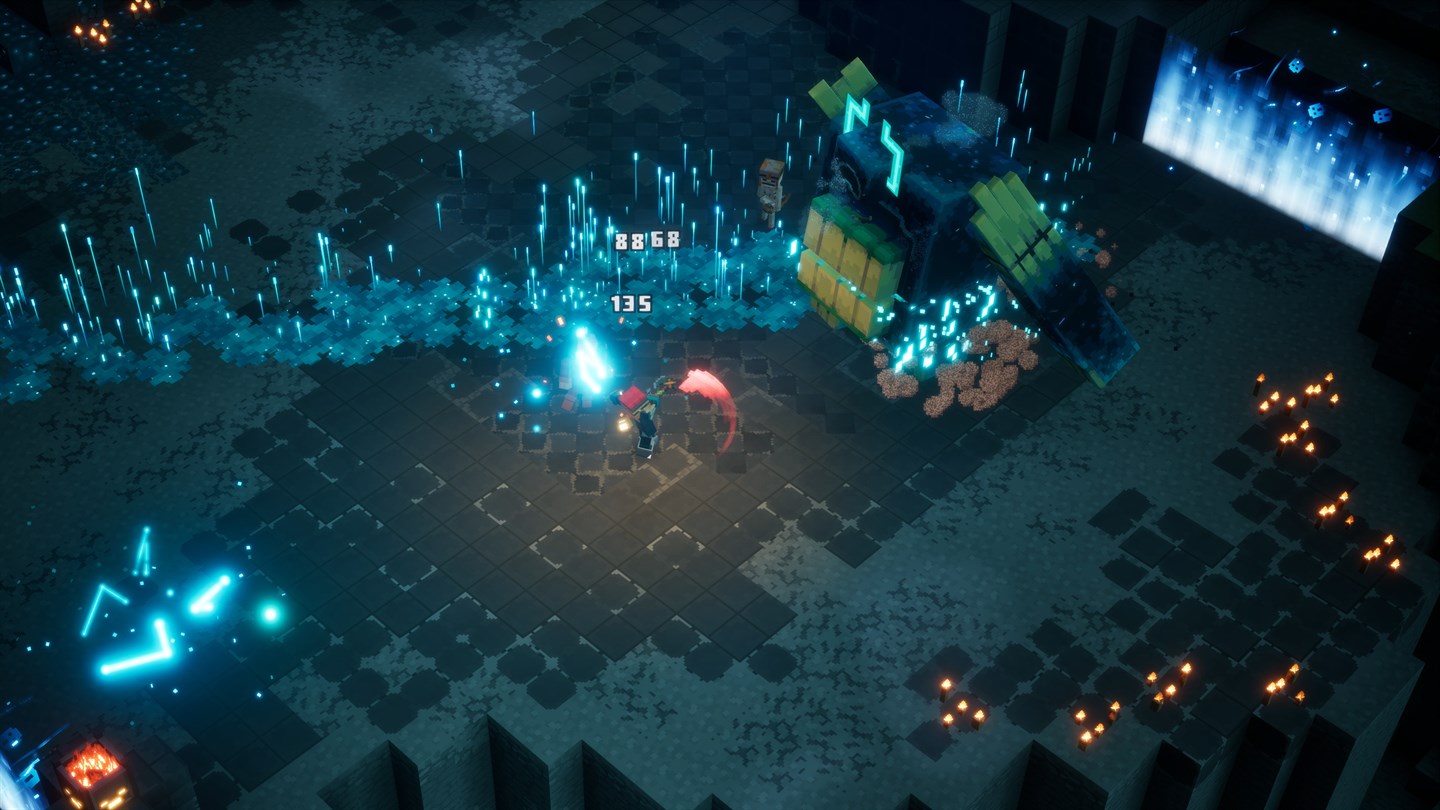
Field answers
The Sift FAQ
What is The Sift in Minecraft Dungeons II?
The Sift is a new dimension filled with soul-powered threats, mysteries, and a distinct environment. It is a central setting for both the story and endgame pressure.
What are Soul Storms?
Soul Storms are a launch endgame activity that brings stronger enemies for a chance at better loot. Raise difficulty only when the build can clear reliably enough to benefit.
Do secret areas appear in every mission seed?
Do not assume they do. Procedural layouts can omit a landmark or entrance. Search the visible clues, then finish the mission instead of forcing a route that is absent.
How should I farm Unique gear?
Target the mission or activity that can improve a named slot, compare several runs, and include clear time and failure rate. A lower-threat route can outperform a harder activity if it finishes much faster.
When should I stop exploring and follow the objective?
Leave optional routes when healing, revives, or focused damage are already failing against normal encounters. Preserve the run and return with a stronger loadout.
Field sources and update policy
Store prices, subscriptions, balance, controls, and generated layouts can change. This guide separates official store facts from independent launch observations and dates the latest verification.
- Official Minecraft Dungeons II pagePublisher overview and platform chooser.
- Minecraft Dungeons II on SteamRelease date, Windows requirements, price, features, and official media.
- Minecraft Dungeons II on XboxXbox/PC availability, Play Anywhere, Game Pass, co-op capabilities, and accessibility.
- Minecraft Dungeons 2 review by IGNLaunch context for The Sift, Soul Storms, optional dungeons, boss replays, and enchantment unlocks.
- Minecraft Dungeons II overview on Minecraft WikiCommunity-maintained index of locations, equipment, missions, and current discoveries.
- Mobalytics secret talisman guideThird-party launch route reference; confirm landmarks and availability against the current build.